
For schools, academies and local authorities, securing effective alternative education provision is about more than finding a different classroom. It is about providing a structured, safeguarded and measurable pathway that helps a young person re-engage with learning, rebuild confidence and progress towards further education, employment or training.
This is particularly important for pupils at risk of exclusion, permanently excluded students and learners with special educational needs and disabilities (SEND). A suitable programme must respond to individual barriers while maintaining clear expectations around attendance, behaviour, safeguarding, assessment and progression.
Vocational pathways can provide that important connection between education and the future. However, they are most effective when delivered as part of a wider, accountable programme rather than as a standalone course.
What is alternative education provision?
Alternative education provision is education arranged outside a pupil’s usual mainstream school. It may be commissioned for learners who:
- Are at risk of suspension or permanent exclusion
- Have been permanently excluded
- Are disengaged from mainstream education
- Have SEND or social, emotional and mental health needs
- Require a more practical or personalised learning environment
- Need a supported route towards further study, employment or independent development
Alternative provision schools and specialist providers may deliver full-time, part-time, vocational, blended-learning or engagement programmes. The structure should be determined by the learner’s needs and agreed outcomes.
In practice, successful provision combines:
- Personalised learning plans
- Small-group or individual support where appropriate
- Recognised qualifications or meaningful accreditation
- Practical vocational activity
- English, mathematics and employability development
- Strong safeguarding and supervision
- Attendance and progress monitoring
- Regular communication with the commissioning school or local authority
- A clear reintegration or progression plan
The objective is not simply to remove a pupil from a challenging situation. It is to create a realistic route back into purposeful learning.
Why vocational education courses can re-engage learners
Some pupils do not respond positively to highly academic or classroom-based learning. This does not mean that they lack ability. It may indicate that the learning environment, teaching approach or curriculum does not currently connect with their interests, communication style or future goals.
Vocational education courses introduce practical tasks and visible outcomes. Learners can develop skills by creating, practising, demonstrating and improving. This provides an immediate sense of purpose.
A vocational pathway can help learners to:
- Connect learning with real employment opportunities
- Develop practical and technical skills
- Experience achievement through manageable tasks
- Improve communication and teamwork
- Build confidence and resilience
- Understand workplace expectations
- Work towards recognised qualifications
- Identify suitable post-16 education or training routes
For example, hair, beauty, barbering and nails provide opportunities to develop creativity, dexterity, customer service, professional presentation and commercial awareness. These are practical skills, but they also support wider personal development.
Achievement becomes visible. Progress can be demonstrated through a completed task, an assessed technique, a portfolio or a certificate.
That matters.
Vocational learning must be part of a wider support pathway
Vocational training alone does not automatically resolve attendance, behaviour or emotional barriers. The most effective alternative education provision combines practical learning with consistent support and clear accountability.
Schools and local authorities should assess whether a provider can offer:
Personalised support
The programme should reflect the learner’s starting point, strengths, barriers and intended outcomes. This may include differentiated resources, additional processing time, reasonable adjustments and a flexible timetable.
Relational practice
Positive relationships between staff and learners are central to re-engagement. Learners need clear boundaries, consistent expectations and trusted adults who understand their individual circumstances.
Progression planning
The placement should not become a destination without direction. Planning should begin with the intended next step, whether that is reintegration into school, further education, an apprenticeship, supported employment or another vocational route.
Regular review
Attendance, engagement, behaviour, qualification progress and wellbeing should be reviewed at agreed intervals. Where progress is limited, the programme should be adjusted rather than allowed to continue without evidence of impact.
Safeguarding and governance
Commissioners must be able to understand how the provider manages safeguarding concerns, supervision, safer recruitment, risk assessment, information sharing and incident reporting.
We do not just provide a course. We support a structured education and progression pathway.
Recognised qualifications create evidence of progress
A learner’s progress should be demonstrated through more than attendance. Recognised accreditation can provide a clear record of achievement for the learner, school, family and future education or employment provider.
Younique Talent is an approved delivery centre for ASDAN and AQA. This enables us to provide structured, recognised learning from entry level through to Level 3 in:
- Hair
- Beauty
- Barbering
- Nails
The appropriate qualification level and programme structure will depend on the learner’s ability, prior experience, support needs and progression objectives.
Accredited learning can help commissioners evidence:
- Curriculum participation
- Skills development
- Assessed achievement
- Qualification outcomes
- Progress towards individual targets
- Readiness for further education or employment
Completion is only one part of the process. Providers should also record the support delivered, assessment evidence, attendance patterns, review outcomes and next-step recommendations.
Structured blended learning for different learner needs
A blended-learning model combines online learning, practical vocational activity and structured support. This can be particularly useful for learners who find a full-time classroom timetable difficult or who need a gradual return to education.
A programme may include:
- Online theory and knowledge development
- Practical workshops and demonstrations
- Supported independent tasks
- Portfolio or assessment activity
- Employability and personal development
- Review meetings with the learner and commissioning team
- Progression planning and transition support
Blended learning can also provide continuity when attendance is affected by health, anxiety, transport, family circumstances or other barriers. The model should remain structured, with clear timetables, contact arrangements and expectations.
This is not unstructured home learning. It is a planned education pathway with measurable objectives.

What schools and local authorities should assess when commissioning provision
The quality of a provider should be assessed against the needs of the individual learner and the responsibilities of the commissioning organisation.
| Commissioning area | Questions to ask the provider |
|---|---|
| Curriculum | Does the programme offer meaningful vocational and personal development learning? |
| Accreditation | Are qualifications recognised, appropriately levelled and supported by assessment evidence? |
| SEND provision | How are individual needs, reasonable adjustments and EHCP outcomes addressed? |
| Safeguarding | Are policies, staff responsibilities, supervision and reporting arrangements clear? |
| Governance | Can the provider supply transparent records, review information and outcome reports? |
| Attendance | How is attendance monitored, followed up and communicated to the commissioning organisation? |
| Progression | What routes are available into school, college, apprenticeships, employment or further training? |
| Flexibility | Can the timetable and delivery model respond to changing learner needs? |
| Quality assurance | How is teaching, assessment and learner progress reviewed? |
| Value for money | Does the programme provide measurable outcomes and proportionate administration? |
Schools should agree the referral information, risk profile, attendance expectations, review timetable and reporting requirements before the placement begins.
Local authorities should also consider how individual placements fit within their wider alternative provision strategy. A strong local offer requires a range of appropriate pathways rather than a single model for every learner.
Younique Talent’s alternative provision model
Younique Talent provides structured vocational and blended-learning pathways for:
- Learners with SEND
- Pupils at risk of exclusion
- Permanently excluded students
- Young people requiring alternative engagement routes
- Learners progressing towards employment or further study
- Home-educated learners requiring vocational development
Our delivery model combines practical learning with clear educational and progression objectives. Programmes can be designed around learner needs, commissioning requirements and agreed outcomes.
Following our successful Cheshire East Council SEND tender award, Younique Talent has demonstrated the capability to deliver alternative provision at scale across 21 local authorities in the North West. This regional experience supports consistent governance, safeguarding, reporting and programme management.
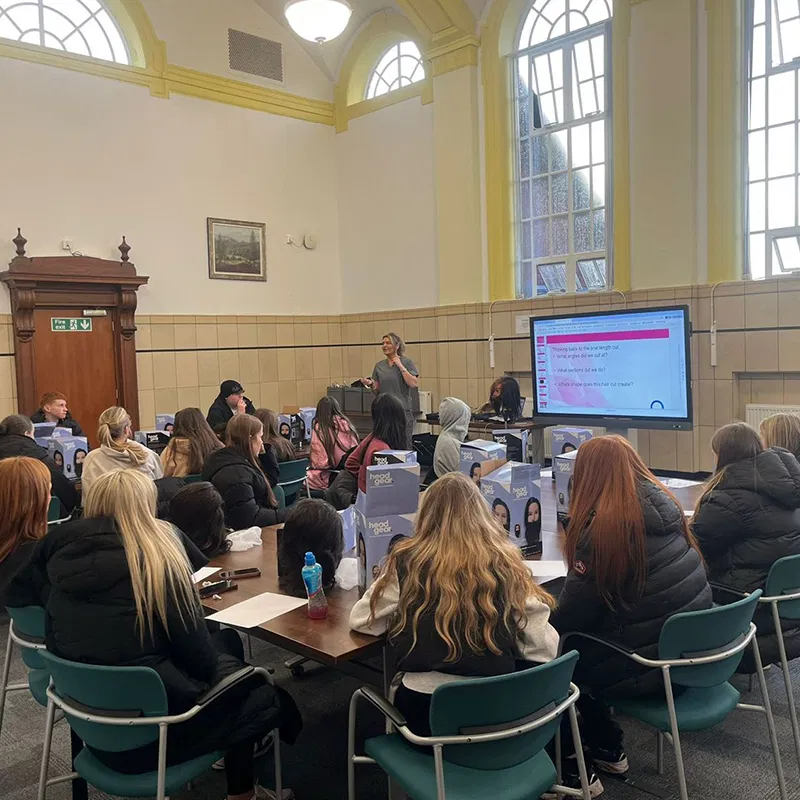
Our alternative provision and vocational training work shows how practical learning can be delivered in a professional, supportive environment.
✓ Approved delivery centre for ASDAN and AQA
✓ Entry level to Level 3 vocational qualifications
✓ Hair, beauty, barbering and nails pathways
✓ Flexible vocational and blended learning
✓ Transparent attendance and progression reporting
✓ Safeguarding and governance-led delivery
✓ Provision designed for schools and local authorities
✓ Delivery capability across the North West and beyond
The same professional standards that apply to accredited vocational training courses UK employers recognise are applied within a learner-centred alternative education model.

A practical commissioning process
Schools, academies and local authorities should follow a consistent process when arranging a placement.
1. Define the learner’s needs
Review attendance, behaviour, attainment, SEND information, safeguarding considerations, interests and barriers to learning.
2. Set measurable outcomes
Agree what success will look like. This may include improved attendance, increased engagement, qualification achievement, improved confidence, reduced incidents or progression to further education.
3. Match the pathway
Select a vocational subject and delivery model that reflects the learner’s interests and realistic progression opportunities.
4. Confirm safeguards and responsibilities
Clarify supervision, risk management, emergency procedures, communication routes and information-sharing arrangements.
5. Establish reporting arrangements
Agree how attendance, behaviour, learning activity, assessment and progress will be reported, including the frequency and format of reviews.
6. Plan the next step
Identify the intended transition before the placement ends. This ensures the learner moves towards a planned outcome rather than experiencing another gap in education.
A structured process protects the learner and the commissioning organisation.
Frequently asked questions
What is the difference between alternative provision and vocational training?
Alternative provision is the wider education arrangement delivered outside a pupil’s usual school. Vocational training is practical, occupation-focused learning within that provision. A high-quality programme may combine vocational learning with personal development, core skills, mentoring and progression support.
Can vocational education courses support learners with SEND?
Yes. Vocational education courses can be adapted through differentiated teaching, reasonable adjustments, flexible pacing, practical demonstrations and personalised support. The programme should align with the learner’s identified needs and, where applicable, EHCP outcomes.
Are Younique Talent’s vocational pathways accredited?
Yes. Younique Talent is an approved delivery centre for ASDAN and AQA and can deliver entry level to Level 3 qualifications in hair, beauty, barbering and nails.
Do you provide alternative provision for permanently excluded students?
Yes. We support schools and local authorities commissioning structured pathways for pupils at risk of exclusion, permanently excluded students and learners requiring alternative engagement routes.
How is learner progress reported?
Progress can be monitored through agreed measures including attendance, participation, practical skills, assessment evidence, qualifications, behaviour and progression planning. Reporting arrangements are agreed with the commissioning organisation.
Do you deliver alternative provision outside the North West?
Younique Talent has delivery capability across the North West and beyond. Schools and local authorities can discuss their geographical, cohort and commissioning requirements with our team.
Discuss your alternative provision requirements
The right alternative education provision should be flexible enough to respond to individual needs and structured enough to provide clear accountability.
If your school, academy or local authority is reviewing provision for pupils at risk of exclusion, permanently excluded students or learners with SEND, contact Younique Talent to discuss your commissioning requirements.
We can help align a structured vocational or blended-learning pathway with your safeguarding expectations, reporting arrangements, qualification objectives and progression goals.