
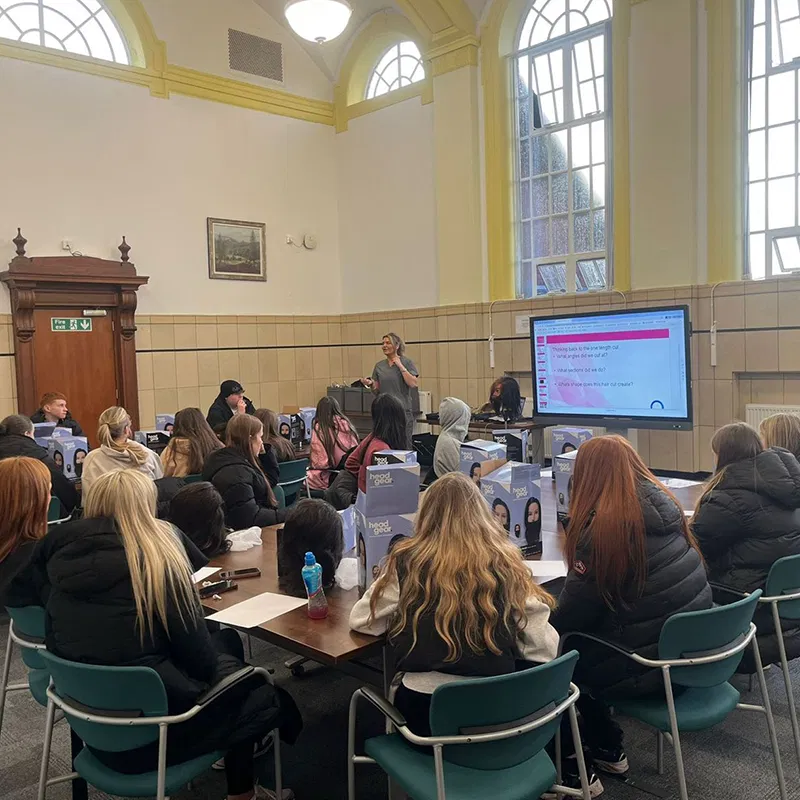
Choosing the right vocational training courses UK providers offer is an important decision for learners, employers, schools and local authorities. The most effective programmes do more than provide course content. They build practical capability, create recognised evidence of achievement and support clear progression into employment, apprenticeships or further study.
Younique Talent Training CIC provides flexible, accredited and progression-focused training for learners and organisations across the UK. Our programmes support young people in alternative provision, SEND learners, home-educated students, adult learners and employers managing ongoing workforce development.
We combine online learning, structured vocational activity and practical support. The result is a more accessible route towards career readiness.
What are vocational education courses?
Vocational education courses develop skills for specific occupations, sectors or workplace responsibilities. Unlike purely academic study, vocational learning usually connects knowledge with practical application, employability and occupational expectations.
Depending on the programme, learners may develop:
- Technical and practical skills.
- Sector-specific knowledge.
- Communication and teamwork.
- Health, safety and professional conduct.
- Employability and workplace behaviours.
- Evidence for progression into further training or employment.
The level and type of accreditation will depend on the awarding organisation and programme. Some courses provide recognised qualifications, while others offer certificates of completion, CPD evidence or unit-based recognition.
This distinction matters. A responsible provider should explain exactly what learners will achieve, who awards it and how it supports their next step.
The National Careers Service course search is a useful independent starting point for comparing vocational routes, course levels and progression options.
Who benefits from vocational training courses?
Vocational pathways support several groups with different operational and educational requirements.
Schools and local authorities
Schools and local authorities may need structured alternative provision for learners who are:
- At risk of exclusion or permanently excluded.
- Disengaged from mainstream education.
- Living with SEND or social, emotional and mental health needs.
- Requiring a more practical and vocational curriculum.
- Preparing to reintegrate into education, employment or further study.
The programme must be more than an informal activity. It should include safeguarding, attendance monitoring, defined learning objectives, regular reporting and measurable progression targets.
Younique Talent’s alternative provision and SEND programmes are designed around these requirements. Following the successful Cheshire East Council SEND tender award, our delivery model operates across 21 local authorities in the North West, providing accountable and outcome-driven provision.
Employers and organisations
Employers require workforce training courses that improve capability without creating unnecessary operational disruption. This is particularly important in sectors where staff must maintain current knowledge, certification or CPD.
Relevant programmes can support organisations in:
- Meeting internal training and compliance requirements.
- Reducing the need to release staff for classroom-based learning.
- Tracking completion and certification.
- Maintaining evidence for audits, inspections or contract requirements.
- Supporting staff progression and retention.
- Creating consistent training standards across teams.
Our flexible e-learning platform enables employees to complete suitable training in their own time. Business accounts, training bundles, certification tracking and renewal reminders can support a more structured workforce development process.
Learners seeking a practical route
Vocational training is suitable for learners who prefer practical, applied or sector-specific learning. It can provide a clearer connection between study and future work, particularly where a learner has not thrived in a traditional academic environment.
Courses can support progression into:
- Entry-level employment.
- Apprenticeships.
- Further vocational study.
- Supported employment or work experience.
- Level 2 or Level 3 programmes.
- Independent development and employability.
For home-educated learners and young people requiring alternative routes, flexible delivery can provide structure while allowing learning to be adapted to individual needs.

Which sectors do vocational training programmes cover?
A strong vocational offer should reflect genuine employment and progression opportunities. Younique Talent delivers programmes across a broad range of sectors, including:
- Hair, beauty, barbering and nails.
- Health and Social Care.
- Construction and Engineering.
- Security.
- Hospitality.
- Business Skills.
- Mental Health.
- AI for Business.
- Employability and personal development.
We are approved delivery centres for ASDAN and AQA, with delivery capability from entry level up to Level 3 in hair, beauty, barbering and nails.
For alternative provision, AQA Unit Award Scheme recognition can provide structured evidence of achievement across practical and vocational activities. It is important to understand that unit recognition is not automatically the same as a full regulated qualification. The provider should set out the type of award clearly and explain the progression it supports.
Online, blended and practical delivery
Online delivery makes vocational training more accessible, but it must be used appropriately.
Theory-based learning, compliance modules, CPD and knowledge assessment can often be completed online. Practical sectors require additional opportunities to develop and demonstrate hands-on skills. Blended learning combines the advantages of both approaches.
Younique Talent’s delivery model can include:
- Online learning completed at an appropriate pace.
- Structured tutor or staff support.
- Practical vocational activity.
- Assessment and evidence gathering.
- Personal development and employability learning.
- Progress reviews and outcome reporting.
This approach supports learners who need flexibility while maintaining accountability. It also helps employers protect productivity and reduce operational downtime.
How to choose the right vocational training provider
Before commissioning or enrolling on a programme, assess the following criteria:
| Evaluation area | What to confirm |
|---|---|
| Accreditation | Identify the awarding organisation and type of certificate or qualification provided. |
| Level | Confirm whether the course is entry level, Level 1, Level 2 or Level 3. |
| Delivery | Check whether online, practical or blended delivery matches the learner or workforce requirement. |
| Assessment | Establish how knowledge, practical skills and progress are assessed. |
| Progression | Confirm the next steps into work, apprenticeships or further study. |
| Safeguarding | For young people, review safeguarding procedures, referral processes and communication responsibilities. |
| Reporting | Ensure attendance, achievement, behaviour and progression can be evidenced where required. |
| Flexibility | Check whether delivery can accommodate SEND, staffing patterns, operational needs or home education. |
Completion alone is not enough. Effective vocational education connects learning, assessment, evidence and progression.
Why recognition and progression matter
A recognised certificate can help a learner demonstrate commitment and achievement. For employers, it can provide evidence that staff have completed relevant training. For schools and commissioners, it can support measurable reporting and review.
However, recognition should always be considered alongside practical relevance. A programme is stronger when it:
- Reflects current sector expectations.
- Uses clear learning outcomes.
- Includes appropriate assessment.
- Records completion and achievement.
- Identifies realistic progression routes.
- Provides support where barriers to learning exist.
Younique Talent does not just provide course access. We support structured learning pathways that connect education with workforce capability, employment and longer-term development.

A practical process for commissioning or enrolling
Whether you are a school, local authority, employer or learner, the process should begin with the intended outcome.
-
Define the requirement
Identify the learner’s progression goal, the organisation’s compliance need or the workforce capability gap. -
Confirm the appropriate level
Select a programme that reflects existing knowledge, experience, support needs and future progression. -
Check accreditation and assessment
Confirm what is awarded, how it is assessed and what evidence is retained. -
Agree the delivery model
Decide whether online, practical or blended delivery is most suitable. -
Set review points
Establish how attendance, engagement, completion, achievement and progression will be monitored. -
Plan the next step
Link the programme to employment, an apprenticeship, further study, reintegration or continuing professional development.
This process gives decision-makers greater control and gives learners a clearer sense of direction.
Frequently asked questions
Are vocational training courses recognised in the UK?
Yes, many vocational courses lead to qualifications or awards issued by recognised awarding organisations. Recognition depends on the specific programme, awarding body and level. Providers should explain the award clearly before enrolment.
Can vocational courses lead to apprenticeships?
Yes. Vocational training can help learners develop sector knowledge, practical skills and employability evidence before applying for an apprenticeship. Progression depends on the learner’s age, readiness, entry requirements and available vacancies.
Are vocational courses suitable for SEND learners?
Yes. Vocational programmes can be adapted through flexible pacing, practical learning, structured support and reasonable adjustments. Schools and commissioners should confirm how the provider manages safeguarding, individual needs, attendance and progression.
Can employees complete workforce training online?
Yes. Many compliance, CPD and knowledge-based programmes can be completed online, reducing disruption to normal operations. Practical or regulated activities may require additional assessment, workplace evidence or blended delivery.
What is the difference between a vocational qualification and an AQA Unit Award?
A vocational qualification generally follows a defined qualification structure and assessment process. An AQA Unit Award recognises achievement of a specific unit or activity. Both can provide useful evidence, but they should not be presented as equivalent without checking the exact award.
Build a career-ready pathway
The best vocational training courses UK organisations use are flexible, recognised and connected to measurable outcomes. They help learners build confidence and practical capability while giving employers, schools and local authorities the evidence needed to monitor progress.
Younique Talent Training CIC can support your organisation with accredited training, alternative provision, workforce development, blended learning and structured progression planning.
Explore our courses, review our alternative provision offer or contact Younique Talent to discuss a programme aligned with your operational, educational or progression requirements.